
Alcohol raises blood pressure over time, increasing the risk of heart disease and other cardiovascular issues. By abstaining from alcohol, your blood pressure begins to normalize, reducing your risk of heart-related health problems. If you’ve ever felt that your withdrawal symptoms are unmanageable, consider a medical detox program.
What happens to the body when a person stops drinking?
It can help improve its function and the health of your other organs. Many individuals regain trust from family, friends, and employers around this time. You may notice relationships starting to mend and a sense of confidence emerging in social or professional settings. ”, understand that detox is just the beginning; deeper emotional and behavioral changes continue unfolding well beyond the initial months. During the first 24 hours, many individuals experience mild to moderate alcohol withdrawal syndrome symptoms.
Subscribe to Advancing Health
“When you stop using alcohol, it really benefits your overall mental health.” After cutting out alcohol for one month or more, psychiatrist Michael J. McGrath, MD, says people might feel significantly more clear-headed. “You may notice an increase in mental clarity and memory, since alcohol use can impact concentration and memory,” he explains. Home detox may be unsafe if you drink heavily, have prior severe withdrawal, seizures, DTs, are over 65, or have medical issues. If attempted, do so only with medical supervision and a safety plan. But alcohol is also related to other cancers, particularly when in combination with smoking.
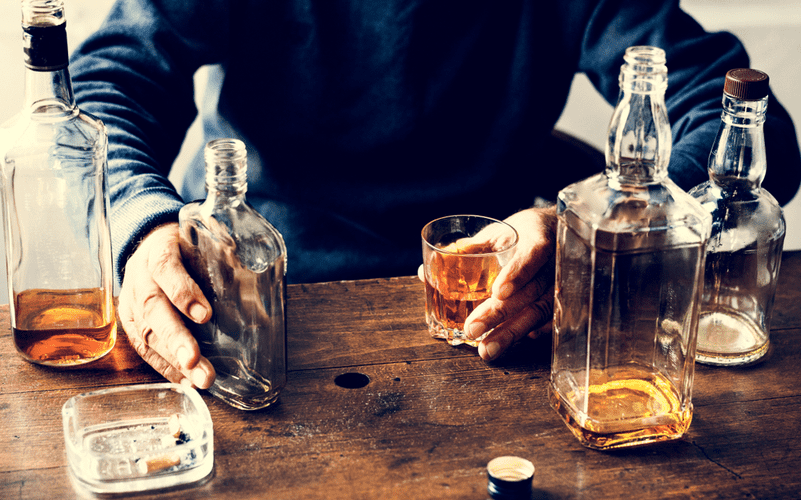
Alcohol weakens your immune system, making it harder for your body to fight off infections. If you fall into any of these categories, it’s essential to talk with your doctor before stopping alcohol use. Finally, try this interactive tool from the CDC, which can help you make a personalized plan to drink less. Making your home an alcohol-free zone takes away the risk of immediate temptation. While light beers have fewer calories, they don’t necessarily have much less alcohol than regular beer. The average light beer is about 4.3% alcohol, versus 5.0% in regular beer.
Drinking Can Increase the Likelihood of some Diseases and Cancers
- Therefore, not drinking, especially for extended periods of time, can lead to significant improvements in sleep and sleep quality.
- The timeline will address the progression of alcohol withdrawal syndrome, including the physiological and neurochemical changes—such as those involving GABA and glutamate—that occur during withdrawal.
- You might toss and turn at first, but give up alcohol and the sleep you get will likely leave you feeling more refreshed and sharp the next day.
- According to the National Cancer Institute, alcohol use has been linked to an increased risk for cancers of the mouth, liver, colon, and rectum.
Keep a journal or use an app like Drink Control or Drink Aware to track your alcohol-free days and celebrate small wins along the way. Alcohol use can alter your gut microbiome, which is responsible for key bodily functions like digestion. Your gut microbiome is full of bacteria (both good and bad) that, when properly balanced, help regulate different processes in the body. Alcohol can make you look older through dehydration and inflammation, which can be reversed when you quit.
Alcohol has a lot of calories in it, even if you drink spirits or light beers. Instead of nourishing your body, these empty calories can bulk you up with little to no benefits. The good news is that this gentle tapering can minimize your withdrawal symptoms.
Common Alcohol Withdrawal Symptoms
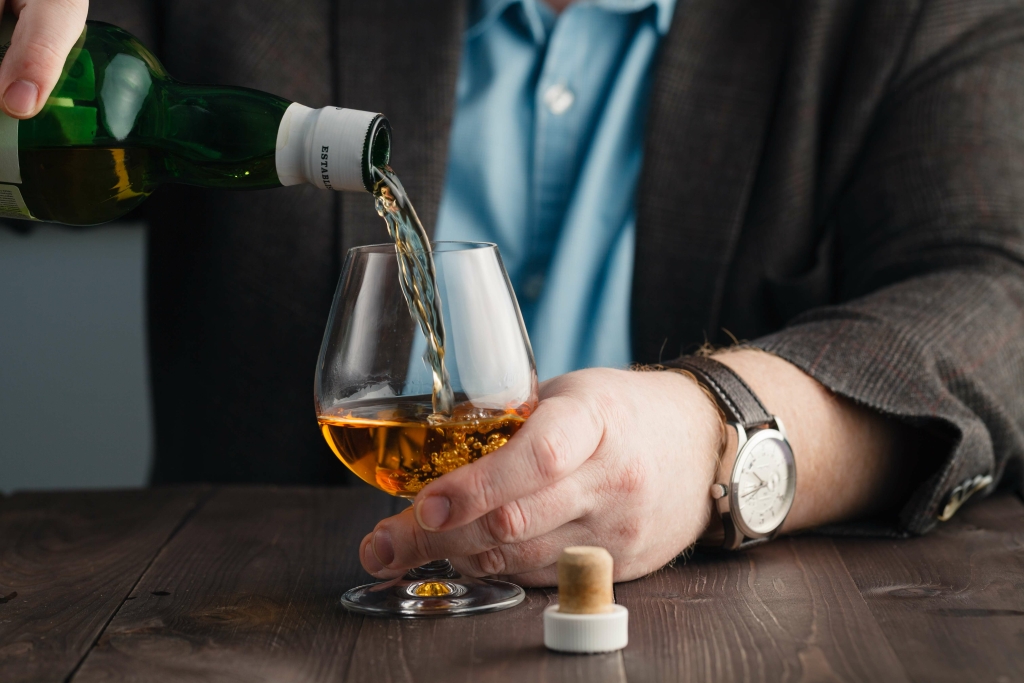
Decline with a smile and a simple “no, thanks,” and share your reasons for abstaining if you feel comfortable. Seek out friends and family who are supportive of your goals and consider social events that don’t center around alcohol. Oar Health offers resources that connect you with licensed medical professionals, as well as peer support, so you can receive comprehensive care tailored to your needs.
- However, for people who exceed recommendations in the Dietary Guidelines for Americans, he said staying away from alcohol for a month can reap changes.
- A strong support system not only provides encouragement and accountability but also helps you manage the physical and mental health hurdles that can arise during recovery.
For example, signing up for a 5K race gives you a goal to work toward, while a pottery class provides structure and social interaction. The combination of personal interest and external support creates a sustainable framework for change. The drop comes as more people are rethinking their relationship with alcohol and growing research shows that even moderate drinking can negatively impact health. According to the Dietary Guidelines for Americans, alcohol should be consumed in moderation — up to one drink per day for women and up to two taking a break from alcohol drinks per day for men. While many think drinking alcohol before bed will help them nod off and stay asleep, it’s quite the opposite. “I would suggest cutting back on several things rather than completely eliminating to avoid feeling deprived, which can lead to rebound eating/drinking and weight regain,” she said.
By the end of an alcohol-free week, you may notice you are more energetic in the mornings as a result of getting better quality sleep. Some benefits start immediately, so every day without alcohol is a win for your health. If you are thinking about taking some time off alcohol, you’ll find many quick wins and long-term gains for your health. “Every year, at the beginning of the year, we are evaluating whether we are making the best choices for our health,” Dr. Luckey says. “Any day, not just January first, but any day of the year is a fantastic time to move toward our best wellness in mind, body and spirit.” Anyone can struggle with excessive Substance abuse drinking, and we believe treatment options should be available to all.
Just note that you might overdo it if you start drinking again.
Experts say there are benefits to quitting alcohol for a short period, even if you’re a social or moderate drinker. Whether for a short period of time or throughout the year, reducing alcohol by any amount affects your body in a number of ways. In particular, conversations with friends tend to be more in depth when we’re not drinking – and we can find ourselves talking about a broader range of topics than before.
Set a quit date
Emotional challenges during weaning, such as depression, mood swings, and cravings, often overshadow physical symptoms but are equally critical to address. Mindfulness practices, like meditation or deep-breathing exercises, can help individuals stay grounded in the present moment and reduce anxiety. For instance, spending 10 minutes daily focusing on slow, intentional breathing can calm the mind and body. Additionally, engaging in activities that bring joy or purpose, whether it’s painting, hiking, or volunteering, can redirect focus away from cravings and toward positive experiences. Building a support network, whether through friends, family, or support groups like Alcoholics Anonymous, provides emotional reinforcement during vulnerable moments.
High blood pressure (hypertension) is the top risk factor for death in the world. A small 2mmHg increase in blood pressure above the normal range (120mmHG) increases death from stroke by 10% and from coronary artery disease by 7%. Finally, remember that building a support system is an iterative process, not a one-time task. Relationships require maintenance, and boundaries may shift as you progress. Regularly assess who uplifts you and who drains your energy, adjusting your circle accordingly.